The Roadmap to a Paperless Factory: A Step-by-Step Implementation Guide
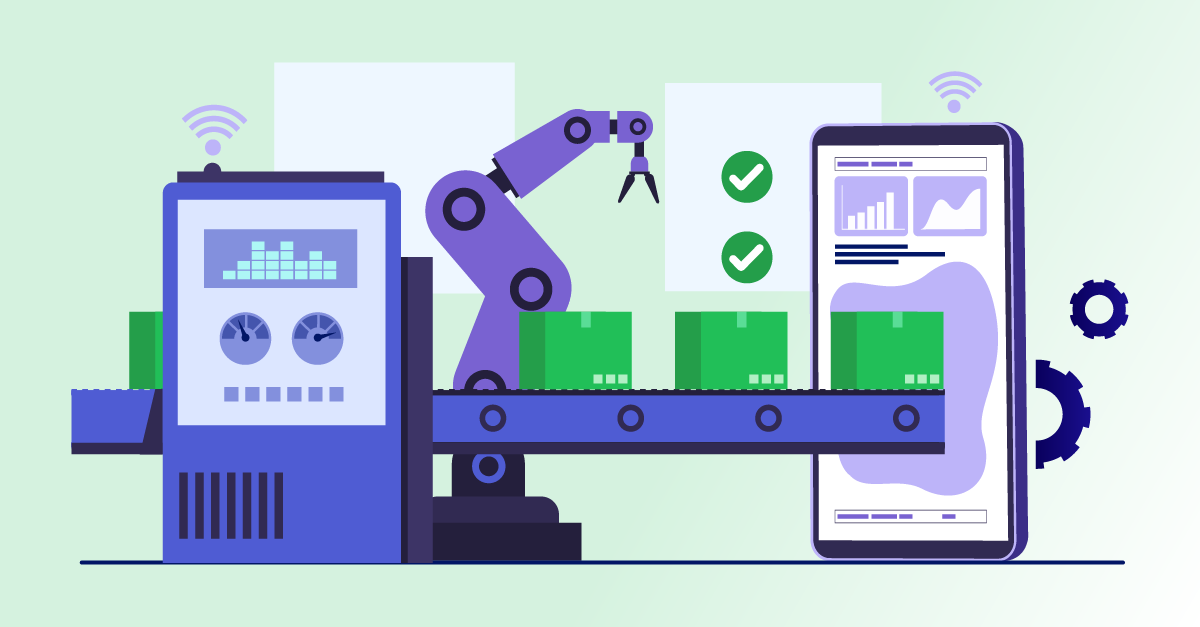
Paper still underpins a significant portion of manufacturing operations. Work orders are printed, completed by hand, and filed away, often remaining untouched until issues arise. Paperless manufacturing replaces this with digital data captured at the point of work, providing a live view of what is happening across the organization.
Table of contents:
- What Paperless Manufacturing Means in Practice
- Common Barriers That Slow the Transition
- A Step-by-Step Paperless Manufacturing Process
- Connecting the Paperless Layer to the Rest of Your Systems
What Paperless Manufacturing Means in Practice
Going paperless involves more than scanning existing documents. It requires redesigning production information flow so that data is created digitally at the source, rather than recorded on paper and entered later.
This change affects work orders, job routing, quality checklists, operator logs, material consumption records, and shift handover notes. Each becomes a structured digital entry instead of a handwritten form. As a result, production data is immediately available, searchable, and verifiable, rather than stored in filing cabinets or shared drives.
Common Barriers That Slow the Transition
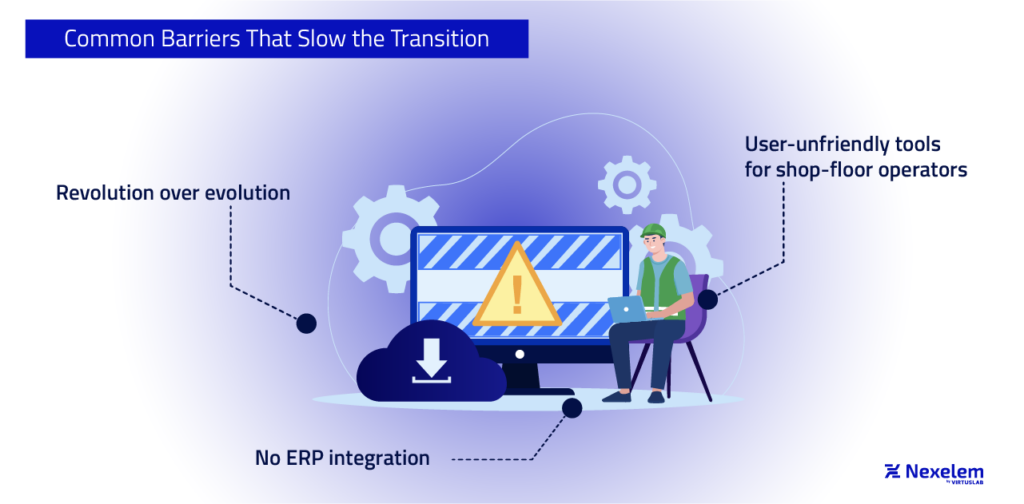
Factories that struggle with paperless production typically encounter three issues: attempting to eliminate all paper at once and underestimating the need for change management; selecting tools that are difficult for operators to use under real shop-floor conditions; and lacking integration between the paperless layer and planning or ERP systems, which leads to manual data re-entry.
A paperless factory succeeds when it simplifies tasks for shop floor personnel, not just for the people analyzing the data afterward. Operators adopt the system when it benefits their daily work. If it feels like extra steps, adoption fails quietly.
A Step-by-Step Paperless Manufacturing Process
Begin with a process audit. Map each paper-based touchpoint in your production flow and rank them by the cost of failure. Prioritize digitizing areas where late or missing data has the highest impact.
First, digitize work orders and production confirmations, as these generate the most transactions and data entry errors, delivering immediate ROI. Next, move to quality recording with digital checklists, automated pass/fail triggers, and exception escalation. Finally, extend digitization to material tracking and operator time capture to support production management reporting and costing.
Connecting the Paperless Layer to the Rest of Your Systems
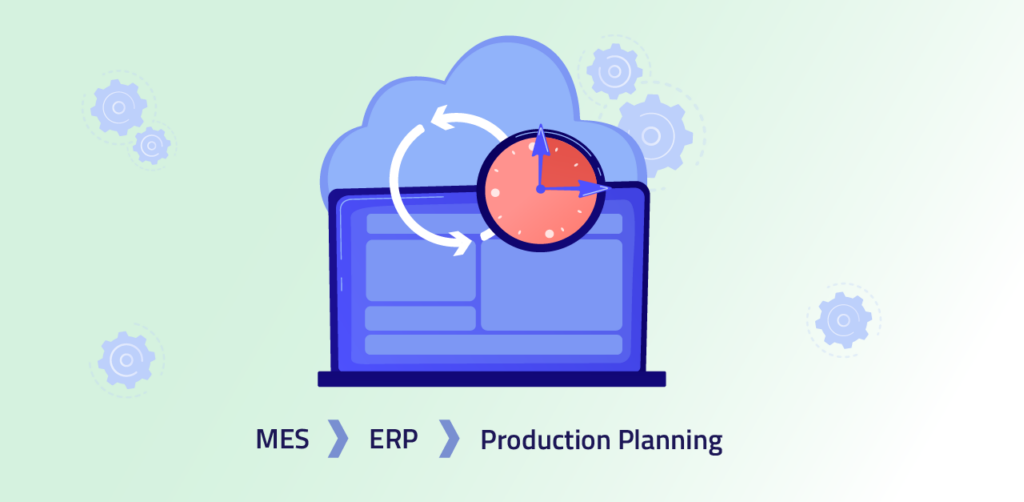
A paperless factory produces significant data, which is only valuable when integrated into the systems where decisions are made. Your MES, planning, and quality management systems need to receive production data in real time, not at the end of a shift. That integration is what turns digital records into data your managers can act on.
Nexelem connects shop-floor data capture to production planning and OEE monitoring, ensuring that operator entries are immediately reflected in management dashboards. This eliminates manual consolidation and end-of-day data entry, making the paperless layer the central data source.
Are you ready to see how a paperless production environment works in your industry? Explore Nexelem’s platform and book a demo to walk through your current setup.
FAQ
Are you interested to know how a paperless production environment works in your industry?
Get in touch for a free consultation with our experts to see how Nexelem works in your production environment.